Celebrating National Disability Employment Awareness Month

October is National Disability Employment Awareness Month, and 2026 marks its 81st anniversary! 

National Disability Employment Awareness Month (NDEAM) began in 1945 as a weeklong national observance focusing on the contributions of individuals with physical disabilities in the workforce. As the years have progressed, this celebration, expanded to last a whole month, has evolved to acknowledge the importance of employment opportunities for all people with disabilities, including those with neurodivergence, invisible disabilities, and mental health issues. Its main goal is to highlight the positive impact individuals with disabilities have had and continue to have on the American workforce. 

This year’s NDEAM theme is “Celebrating Value and Talent.” The  U.S. Department of Labor states this year’s theme is meant to “recognize the skills and contributions Americans with disabilities add to the nation’s workplaces, communities, and economy.” It celebrates the many, varied, and significant contributions of America’s workers with disabilities.  

National Disability Employment Awareness Month is significant as it encourages the hiring of and employing of individuals with disabilities. Employment for an individual with a disability can provide much more than just a paycheck. The list of benefits of employment for the individual is long and varied. Employment can lead to greater financial independence, more social connections, higher confidence in oneself and abilities, as well as integration into the larger community. Inclusive employment opportunities ensure that individuals with disabilities have the chance to share their talents in ways that are meaningful to them. 

Inclusive employment practices not only benefit employees with disabilities but also benefit employers. Individuals with disabilities bring new perspectives, new talent, and skills to the workforce. In an Office of Disability Employment Policy survey on the employment of people with disabilities, 60.8% of companies reported that hiring people with disabilities increased their pool of qualified candidates. Employing individuals with disabilities can also bring economic benefits to employers. As detailed in this NDEAM video by the U.S. Department of Labor, a recent study has found that employers leading in disability employment tend to lead in economic trends as well. On average, these companies had 60% higher revenue, 2.6 times the net income, and 2 times higher economic profit margins compared to their counterparts. These findings highlight that disability inclusion and employment benefit the workplace as a whole- from building talent to increasing economic outcomes.  

National Disability Employment Awareness Month encourages employers to reaffirm their commitment to ensuring all Americans, including those with disabilities, can put their talents to work. 

So, what are the best ways as an employer to reaffirm this commitment and celebrate National Disability Employment Awareness Month?   

Employers are encouraged to: 

  1. Cast a wider net when hiring! Double down on efforts to recruit, hire, retain, and advance individuals with disabilities.  
  1. Center voices of individuals with disabilities.  
  1. Explore workplace updates and accommodations, such as adding alternate text to images, improving document accessibility, or adding captions to videos, to support current and future employees.  
  1. Educate and train employees and supervisors about inclusivity in the workplace. 

Individuals can also celebrate NDEAM and help make a difference in raising awareness of employment for workers with disabilities. Individuals are encouraged to: 

  1. Share and amplify stories, statistics, and resources highlighting the contributions of people with disabilities.  
  1. Advocate for inclusive practices in your workplace and community.  
  1. Participate in awareness activities.  

Since our inception, Arcare has believed that individuals with disabilities have the right to live the highest quality of life and achieve the highest level of independence and well-being possible. Part of this mission is the belief that individuals with disabilities should have the opportunities, such as the opportunity for employment, to meaningfully participate in their communities. This mission has led us to contribute over $100,000 through our Charitable Grant Fund for supported inclusive employment over the past four years. These donated funds have supported programs for inclusive employment at places such as The Golden Scoop and Down Syndrome Innovations. We are proud to celebrate and support NDEAM in its mission to recognize the contribution of workers with disabilities and encourage the employment of these individuals. 

Please visit the U.S. Department of Labor website for more information about NDEAM. We can’t wait to see your celebrations and stories throughout October and beyond! 

Emily Donaldson of Arcare, Inc. Appointed to Special Needs Alliance Board of Directors 2025–2026

October 31, 2025 – Overland Park, KS

Arcare, Inc. is proud to announce that Emily A. Donaldson, CELA, has been appointed to the Board of Directors of the Special Needs Alliance (SNA) for the 2025–2026 term. This prestigious national organization is composed of attorneys who are recognized for their expertise and commitment to disability and public benefits law.

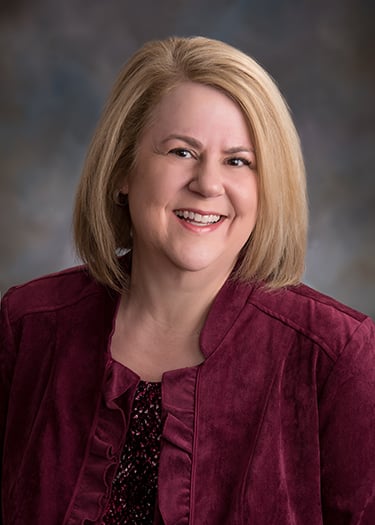
smiling woman with blonde hair, wearing a burgundy blouse and blazer.
Emily Donaldson, CELA

Emily’s appointment reflects her outstanding leadership, deep legal knowledge, and unwavering dedication to serving individuals with disabilities and their families. As a Certified Elder Law Attorney and a valued member of the Arcare team, Emily exemplifies the values of compassion, integrity, and excellence that define our mission.

The Special Needs Alliance recently announced its new leadership team, with Robert F. Brogan, CELA, of Brogan Law Group, P.C., serving as President. Under his leadership, the Alliance will focus on mentorship, collaboration, and sustaining its tradition of excellence in legal advocacy.

Emily joins a distinguished group of professionals on the Board of Directors, and her contributions will help shape the future of the Alliance and strengthen its impact nationwide.

We extend our warmest congratulations to Emily and celebrate this well-deserved recognition. Her work continues to inspire and elevate the standards of service to individuals and families.

About the Special Needs Alliance
The Special Needs Alliance is a national organization of attorneys dedicated to disability and public benefits law. With over 150 members across 45 states, the Alliance promotes excellence through collaboration, education, and advocacy. For more information, visit www.specialneedsalliance.org.

Arcare hires respected industry veteran as general counsel

Arcare, Inc. is pleased to announce the appointment of Emily A. Donaldson as General Counsel. With over 20 years of experience in the practice of law, Emily is a Certified Elder Law Attorney (CELA) and holds an advanced degree in Estate Planning (LL.M.). Her expertise encompasses complex issues related to aging, including public benefit planning for long-term care and supportive services, estate structuring for disposition and administration, and special needs law.

Emily comes to Arcare after building a successful private practice as a partner of Stevens & Brand, LLP, where her practice consisted of advising clients on the complex issues encountered in aging, including pre-planning for the admission and access to Medicaid benefits to assist with long-term care expenses and supportive services. In addition, Emily assisted clients with designing and structuring estate plans to meet their needs and goals, whether it be preserving the family farm/business or planning for special needs. She has counseled numerous individuals and families with special needs children through the complex legal and financial issues raised by the need. These issues often require the appointment of a guardian and conservator, as well as special needs trust creation and administration.

Emily is a distinguished member of the Special Needs Alliance, an exclusive, invitation-only national organization of leading disability and public benefits attorneys. She serves as an adjunct professor at Washburn University School of Law, elder law course, and is an active member of the Probate Law Advisory Committee of the Kansas Judicial Council. She has been included in the current editions of the Best Lawyers in America since 2014 for her expertise in Elder Law and Trusts and Estates, and recognized annually in the Kansas and Missouri Super Lawyers list since 2015.  Additionally, Emily is a sought-after author and speaker on legal and financial issues affecting aging individuals and those people with a disability.

“We are thrilled to welcome Emily to the Arcare team,” said Laura Pederzani, Executive Director of Arcare, Inc. “Her extensive experience in elder law, estate planning and administration, combined with her dedication to serving individuals with special needs and their families, aligns perfectly with our mission to provide exceptional future-care planning services. We are confident that Emily’s contributions will be invaluable as we continue to expand and enhance our services for clients across the region.”

Please join us in welcoming Emily Donaldson to Arcare, Inc. For more information on how Emily’s expertise can assist you, your family or your clients in future-care planning, we encourage you to reach out.

Exciting Changes for Kansas ABLE Program

With strong bipartisan support, HB 2490 was signed into law by Gov. Laura Kelly on April 7, 2022. This bill authorizes the State Treasurer to decide who is able to open and own an ABLE savings account, bringing Kansas into federal compliance. Previously, Kansas ABLE statutes only allowed an individual with a disability or, in some circumstances, their guardian/conservator, to open an ABLE account in Kansas. This effectively excluded a large pool of Kansans with disabilities and proved extremely difficult for individuals and families to navigate.

History of the Achieving a Better Life Experience (ABLE) Act

The ABLE Act amended Section 529 of the Internal Revenue Service Code of 1986 to create tax-free savings accounts for individuals with disabilities. The law sought to help ease financial strains individuals with disabilities often face, as funds could be contributed tax-free to cover qualified disability expenses and would not negatively impact the person’s eligibility for public benefits like Medicaid.

The ABLE Act was introduced to the 113th Congress on February 13, 2013. Kansas Senator Jerry Moran was an original co-sponsor of the bill, and Kansas Senator Pat Roberts signed on shortly after the bill’s introduction in the Senate. The ABLE Act had extensive bipartisan support, passing in both the House and Senate in December 2014 as part of the Tax Extenders package.

Despite this positive step forward, poverty has continued to disproportionately affect individuals with disabilities. In October 2017, the National Council on Disability released an advisory report to Congress and the President. This study showed that Americans with disabilities live in poverty at more than twice the rate of people without disabilities, and while people with disabilities make up approximately 12 percent of the U.S. working-age population, they account for more than half of those living in long-term poverty.

Importance of ABLE Accounts

ABLE accounts allow individuals with disabilities and their families to save money for qualified disability expenses without jeopardizing eligibility for public benefits. Qualified disability expenses may include medical care, housing expenses, education expenses, transportation needs and a multitude of other things. Having funds for these expenses affords the individual with disability the opportunity for an enhanced quality of life beyond what is provided by means-tested benefit programs.  

Deposit Amounts

The maximum amount of unearned income that can be deposited into an ABLE account is $16,000 per year beginning January 2022. This can be met by the beneficiary depositing Social Security benefits, investment income, state disability payments, etc., and by deposits made by third parties such as parents, grandparents, siblings, or a Special Needs Trust (SNT).

In addition to the $16,000 unearned annual maximum, beneficiaries who are employed can contribute $12,060 of their work income to their ABLE account annually. This means that a beneficiary who has earned income could deposit a total of $28,060 in their ABLE account in a year, empowering Kansans with disabilities to seek employment without fear of losing necessary support services while promoting their independence.

ABLE Accounts and Special Needs Trust Working Together

As a professional Trustee and Representative Payee, Arcare discusses ABLE accounts with families and individuals with disabilities during the initial planning process for services. We explain the advantages to establishing a SNT and how it can work with an ABLE account to offer the beneficiary broader spending power, more flexibility, enhanced independence and direct account ownership.

Current federal regulations require that payments from an ABLE account for food and housing do not impact public benefits, like Section 8 or SSI, while payments for food and housing from a SNT do impact these benefits. Understanding how to leverage various financial tools helps families and individuals with disabilities maximize the return on their savings. 

A real-life example of this scenario plays out when an SSI recipient would like to use their SNT to pay rent. The SNT could make the rent payment for them; however, the rent payment would trigger a 1/3 reduction in the individual’s SSI benefit the next month. With the next month’s income reduced, the individual may fall into a cycle of coming up short on their limited income for housing expenses. Continually paying rent from the SNT would also have a negative impact on the lifetime of the Trust, as the funds could easily be exhausted for rent payments instead of other supplemental needs. Alternatively, the rent payment could be paid from an ABLE account with no reduction to the individual’s SSI. Recently passed regulations allow for a SNT to make contributions to an ABLE account.

The Future of Kansas ABLE

HB 2490 addresses enrollment barriers faced by families and individuals with disabilities by adopting an expanded hierarchy of who can establish an ABLE account on a beneficiary’s behalf, which now includes “individuals or agents with power of attorney, conservators or legal guardians, spouses, parents, siblings, grandparents, or representative payees appointed by the Social Security Administration.” The bill also includes language changes to reference federal statutes so that any changes in the national ABLE program can be implemented in a timely manner by the State Treasurer’s Office.

Arcare was proud to testify in support of HB 2490 in both the House Children and Seniors Committee and Senate Financial Institutions and Insurance Committee, alongside Interhab, the KanCare Advocates Network, MOSAIC and the Disability Rights Center of Kansas. HB 2490 will have a profound impact on individuals with disabilities and their families upon its effective date July 1, 2022.

Join the inclusive hiring movement during National Disability Employment Awareness Month

This October marks the 76th anniversary of National Disability Employment Awareness Month. The purpose of the monthlong event is to raise awareness about disability employment issues and celebrate the many and varied contributions of America’s workers with disabilities.

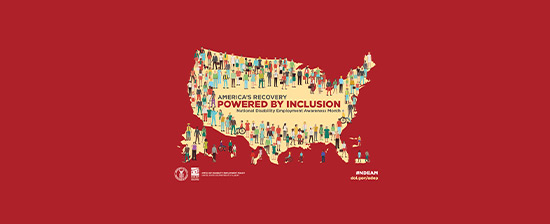
Fittingly, the theme of this year’s National Disability Employment Awareness Month is America’s Recovery: Powered by Inclusion. Right now, a record number of businesses report having jobs they can’t fill. While safety concerns surrounding the global Covid-19 pandemic are very real, perhaps it is time for organizations to look at becoming more disability-inclusive in their hiring practices.

The Kansas Employment First Initiative Act was passed in 2011 declaring it to be the policy of the State that competitive and integrated employment shall be considered its first option when serving persons with disabilities who are of working age to obtain employment. Among other things, this act also established the Kansas Employment First Oversight Committee, whose focus is on increasing the number of Kansans with disabilities in competitive, integrated employment. What is competitive, integrated employment? Simply put, competitive and integrated employment means a job in the community that pays a worker with disability the same wage that a worker without a disability receives, and in which a worker with a disability interacts with workers without a disability.

Right now, our country is facing a shortage of school cafeteria workers, restaurant staff, hospitality and hotel staff, supermarket workers, textile workers and software engineers, among many other open employment opportunities. A research study produced jointly by AAPD and Disability:IN suggests that “if companies embrace disability inclusion, they will gain access to a new talent pool of more than 10.7 million people (in the U.S.).” So what’s the hold up?

Businesses don’t always understand the benefits of inclusive hiring practices. The study noted above revealed that companies that embrace best practices for employing and supporting people with disabilities in their workforces consistently outperform their peers, including having, on average, 28 percent higher revenue, double the net income and 30 percent higher economic profit margins. In addition, statistics show that employees with disabilities stay at jobs longer, thus reducing the time and cost involved in retraining and replacing personnel. Other national studies have shown that the performance of employees with disabilities equals or exceeds their non-disabled peers in several crucial areas, including safety, reliability and productivity. The intrinsic benefits that a disability-inclusive workplace provides include diversification and strengthening of culture through varied perspectives on how to confront challenges and get the job done. Individuals with disabilities bring creativity, innovation, problem-solving and commitment to the workplace.

Businesses are concerned about the cost of accommodating persons with disabilities. However, the data collected by the national Job Accommodation Network shows that most employers report no additional cost or low costs for accommodating employees with disabilities. “Of those accommodations that did have a one-time cost, the median one-time expenditure as reported by the employer was $500. When asked how much they paid for an accommodation beyond what they would have paid for an employee without a disability who was in the same position, the median answer given by employers was $20.”

What can we do to support disability inclusive hiring practices?

Individuals are encouraged to take the following actions:

  • Share a NDEAM poster on social media. Download an English version or a Spanish version now.
  • Share your inclusive workplace experiences with the hashtag #NDEAM on social media.
  • Share these PSAs from the “What Can YOU Do?” Campaign

Employers are encouraged to:

  • Display a NDEAM poster in our workplace. Download an English version or a Spanish version now.
  • Use this month to educate and train employees and supervisors about inclusivity in the workplace. Start by accessing training materials from the Job Accommodation Network.
  • Establish an Employee Resource Group.
  • Participate in a Disability Mentoring Day.
  • Reach out to the Kansas Vocational Rehabilitation Office to connect your business with skilled workers in your area! Learn more.

Please visit the U.S. Department of Labor website for more information about NDEAM. We can’t wait to see your celebrations and stories throughout October and beyond!
Why the Better Care Better Jobs Act is crucial to the disability community

The Better Care Better Jobs Act (S. 2210) was introduced in Congress on June 25, 2021. The bill is currently supported by 79 representatives from 27 states and the District of Columbia. If passed, key components of this bill will have a profound impact on the disability community.

Upon introduction, Senate Majority Leader Schumer said, “The Better Care Better Jobs Act would make a massive investment in home and community-based services to ensure that seniors and people with disabilities have the right to live in their homes while getting the care they need. Furthermore, it will finally treat the home care workforce like the essential workers they are and ensure they are paid fair wages. The COVID-19 pandemic shown a painful magnifying glass on how our country is currently falling well short of those goals. We must do better. I will work tirelessly with President Biden and my colleagues in Congress to get this proposal signed into law.”

If the Better Care Better Jobs Act is passed, it will invest nearly $500 billion into Medicaid home- and community-based services (HCBS) over 10 years. This unparalleled increase in funding will impact not only Americans with disabilities who utilize the HCBS system to stay independent in the community, but also the direct care workforce that individuals with disabilities rely on every day.

Key provisions of the bill include:

  • A 10% increase in the Federal Medical Assistance Percentage (FMAP). This is the amount of funds the federal government contributes to match each state’s spending on Medicaid services. These federal dollars will help states continue to respond to the financial strains of COVID-19, such as vaccination delivery, testing, contract tracing, etc. The funds also help ensure that Medicaid services remain available to those in the community who need it, including 5 million front-line and essential workers.
  • Direct investments in training, recruitment and retention of the direct support professional (DSP) workforce. The bill specifically identifies payment rates; mentions that states should address insufficient payments rates for the delivery of HCBS; and clarifies that payment rates for HCBS should be updated at least every two years through a transparent process. In addition, payment rates should be proportionately passed through to direct care workers and not used to increase company profit margins.
  • Expanded access to services for individuals on waiting lists. In Kansas, the waiting list for the I/DD waiver has increased to more than 4,000 individuals and families.
  • Permanent extension of Money Follows the Person (MFP). This program allows residents to receive HBCS in the community and provides enhanced services that allow for payment of utility deposits and reasonable moving expenses to transition an individual from an institutional setting back into the community.

The legislation might not only reshape the delivery of and access to HCBS in our communities by providing an infusion of federal dollars to combat the financial impact of COVID-19, but also provide access to individuals with a disability on a waiting list who are already eligible to receive services. In addition, there are currently about 4.5 million direct care workers in the United States today — the majority of whom are women of color — working for poverty wages with often zero benefits.

As the Better Care Better Jobs Act moves through congressional committees, Arcare will continue advocating for its swift passage, encouraging direct support among our state representatives. If you are interested in receiving more information on how you can help in these efforts, please sign up for our email list or follow us on social media.

Increase in Protected Income Level is a huge “win” for individuals with disabilities

In the early morning hours of Saturday, May 8, the Kansas Legislature passed a budget that included an appropriation of funds to be used for an increase to the Protected Income Level (PIL) for Home and Community Based Services (HCBS) and the Program for All-inclusive Care for the Elderly (PACE) Medicaid waivers. Raising the protected income level was a top legislative priority for many individuals, advocates and organizations. After a difficult legislative session, the inclusion of this budget appropriation was a huge success for individuals with disabilities in the state of Kansas.

What is the Protected Income Level?

The Protected Income Level (PIL) is the amount of monthly income protected from medical expenses to allow recipients to meet their maintenance needs. This standard is established by the state of Kansas. The idea is that the Protected Income Level should be sufficient to pay for all living expenses not covered by Medicaid: This includes food, rent, utilities and basic needs such as clothing.

Currently, the Protected Income Level is $1,157 per month. This means that if an individual receives Medicaid services on the HCBS or PACE waivers, any income they receive over this amount must be paid to the State of Kansas. This is referred to as a “client obligation.”

You can see how difficult it can be to live on only $1,157 a month. Our friends at Kansas Advocates for Better Care shared this example: A widow is receiving HCBS/FE waiver services in the modest home she owns. Property taxes and homeowners insurance consume about $300 per month, plus she has utilities – trash, water, gas, electricity, telephone – that average about $600 per month. With the PIL at $1,157, she has only $257 for food, clothing, transportation, toiletries and anything else she needs.

How much has the PIL increased?

Included in the budget for fiscal year 2021, the PIL will increase from $1,157 a month to $2,383 a month, which is 300% of federal Supplemental Security Income. It is important to note that the federal SSI amount is adjusted regularly based on increases in the cost of living, as measured by the Consumer Price Index. These are called Cost of Living Adjustments (COLA).

How will the PIL increase benefit Kansans with disabilities?

Let’s revisit our example above for our elderly widow: Her monthly expenses for shelter (property taxes, insurance and utilities) totaled $900. With the PIL of $1,157, that only left her $257 for food, clothing, transportation and toiletries for the entire month. Figuring for the increase in PIL to $2,383 a month, the same widow with shelter expenses of $900 per month now has $1,483 per month to cover food, clothing, transportation, toiletries and anything else she may need during the month!

The PIL increase is also helpful for individuals with disabilities who earn income from employment. For example, a young man on the I/DD waiver works part-time and receives SSI each month. His total income per month is approximately $1,400. With the PIL of $1,157 per month, he had a monthly client obligation of $243 to the State ($1,400 monthly income – $1,157 maximum PIL= $243). He doesn’t want to quit his job because he likes working. He would like to save up some money to buy a new mattress for his bed, but no matter how many hours he works, he can only keep $1,157 in income each month. That income is used to pay for his rent, utilities, transportation to work and food. After those bills are paid, he does not have any money left at the end of the month to save for his mattress.

When we refigure this scenario to include raising the PIL to $2,383 a month, his situation drastically improves! With the PIL of $2,383, his client obligation is reduced to zero. He can pay his bills as usual, and the $243 a month he used to pay for his client obligation to the State can now be saved for his new mattress.

It is easy to see how the increase in PIL removes a huge barrier to employment for individuals with a disability. Our friend Rocky Nichols at the Disability Rights Center of Kansas supplied written testimony to a legislative committee on this specific issue. He said, “Kansans with disabilities are great, hard-working and reliable employees. Unfortunately, as long as the PIL is less than 300% of SSI, you will have a built-in barrier to having Kansans with disabilities on HCBS Waivers working any amount over the Protected Income Level.”

Will the PIL change again?

When the PIL last increased in Kansas in 2019, it was indexed at a specific dollar amount ($1,157). This time, the budget included the provision that it be set at a percentage of the federal SSI amount, not a specific dollar amount. Once the percentage is included in the State Rules and Regulations for determining KanCare eligibility, any time there is a Cost of Living Adjustment, the PIL amount will adjust with it.

Thank you, advocates!

We are so grateful to the individual advocates, organizations, and legislators who made sure the increase in PIL was passed this legislative session. Countless hours of written and verbal testimony were given to legislative committees. Letters were written and personal stories were shared. Thank you to everyone involved for their hard work and continued dedication to improving the lives of Kansans with disabilities!

Arcare plays a role in encouraging healthy smiles for World Oral Health Day

It is well documented that individuals with intellectual or developmental disabilities may need extra help to achieve and maintain good oral health. According to the National Institute of Dental and Craniofacial Research, tooth decay is common among individuals with developmental disabilities.

In an effort to help the 100+ clients we serve through our Life Care Plan improve their oral health, we partnered with local dentist offices to observe World Oral Health Day on March 20, 2021.

World Oral Health Day began in 2007. It is an initiative of FDI World Dental Federation, an organization that brings together the world of dentistry with the aim of achieving optimal oral health for everyone. World Oral Health Day aims to empower people with the knowledge, tools and confidence to secure good oral health. This year, the campaign theme is “Be Proud of Your Mouth.” The campaign aims to inspire change by focusing on the importance of oral health for overall health because good oral health can help one live a longer, healthier life — and that is worth taking action to achieve!

With the help of our friends at Ted A. Jowett Family Dentistry, Topeka Dentistry, Johnson County Dental Care PA, Kasiya Dental and BlueStem Dental, we took action and were able to collect and deliver bags with toothbrushes, toothpaste, dental floss and educational materials on how to practice good oral health to the individuals with disabilities we serve. Included in the educational materials were easy-to-read visuals from the American Dental Association on proper brushing technique.

How Arcare helps promote oral health

One of the many ways Arcare’s Life Care Plan assists individuals with disabilities in the community is through continual monitoring, advocacy and coaching. The Life Care Plan staff frequently accompanies clients to their dental appointments, coordinates with dental care staff and directs service providers to ensure appropriate dental care recommendations and techniques are followed, and coaches clients through any difficulties they may be experiencing with their dental care.

Additionally, Arcare’s Charitable Fund is proud to help individuals with disabilities access the dental care they need through grants. Certain dental procedures are not covered by Medicare, Medicaid or supplemental insurance. Even if a procedure is covered by a form of insurance, it can have costly copayments. For individuals with disabilities living on limited means and a fixed monthly income, Arcare helps bridge the gap between what the individual can afford and the dental care they need.

We look forward to celebrating World Oral Health Day in 2022 and continuing to partner with local dental practices to improve the oral health of Kansans with disabilities.

Four Course Living: A Recipe for Success

March is Developmental Disabilities Awareness Month. The nationwide campaign seeks to raise awareness about the inclusion of people with developmental disabilities in all areas of community life, as well as awareness of the barriers that people with disabilities still sometimes face in connecting to the communities in which they live.

One aspect of everyday life that can be a barrier to individuals with disabilities is nutrition. The Four Course Living program in Johnson County aims to empower individuals with disabilities and their caregivers with the knowledge and experience to shop and prepare healthy meals safely at home.

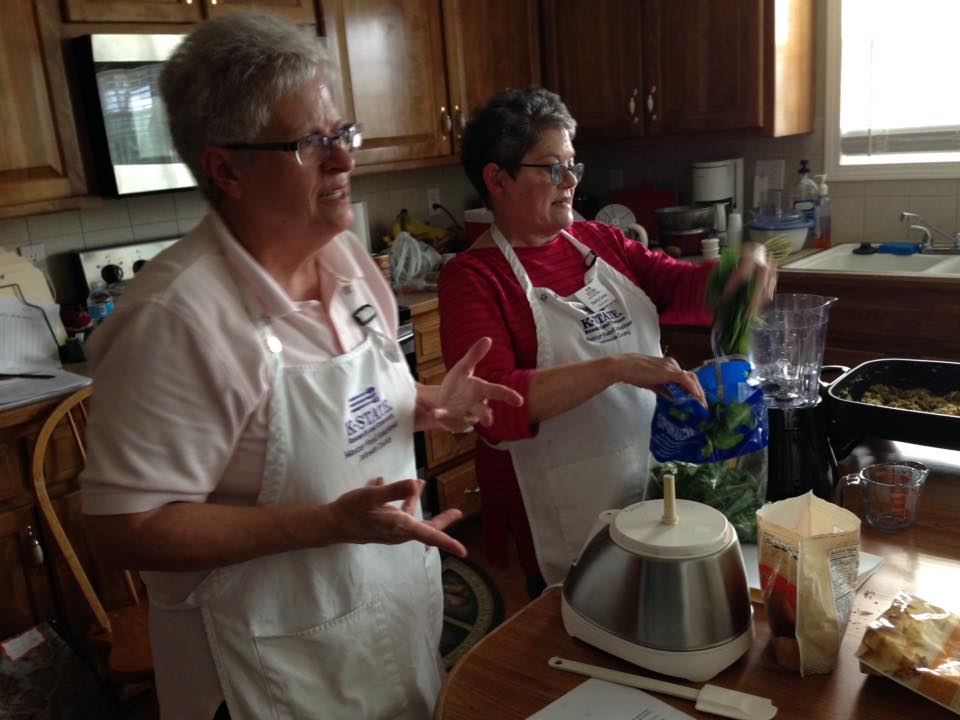
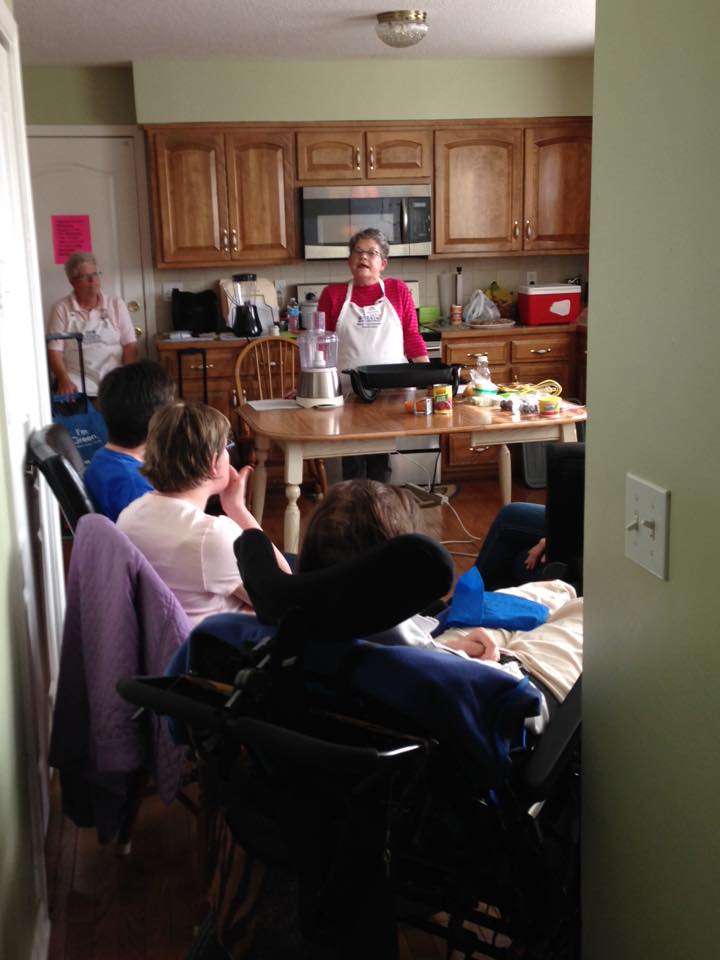
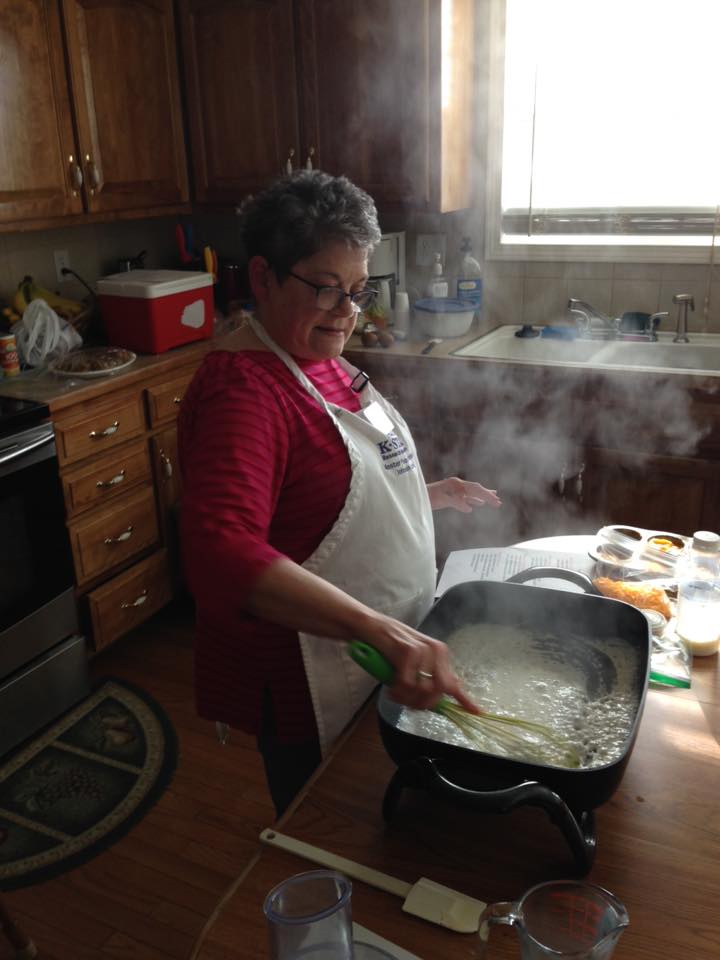
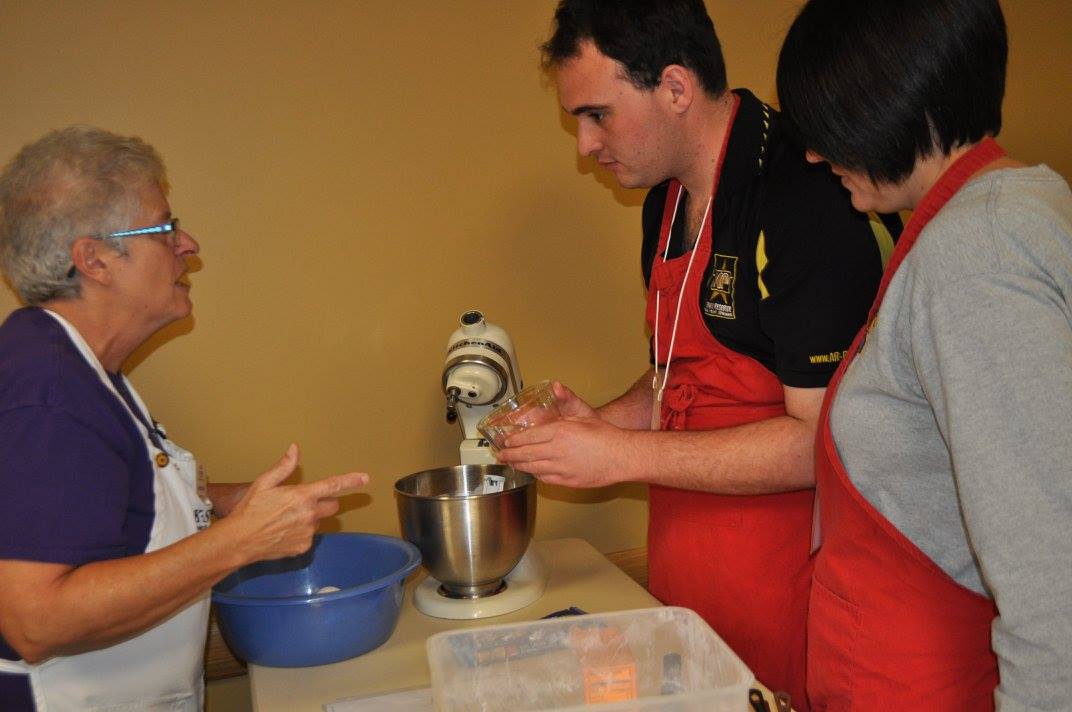
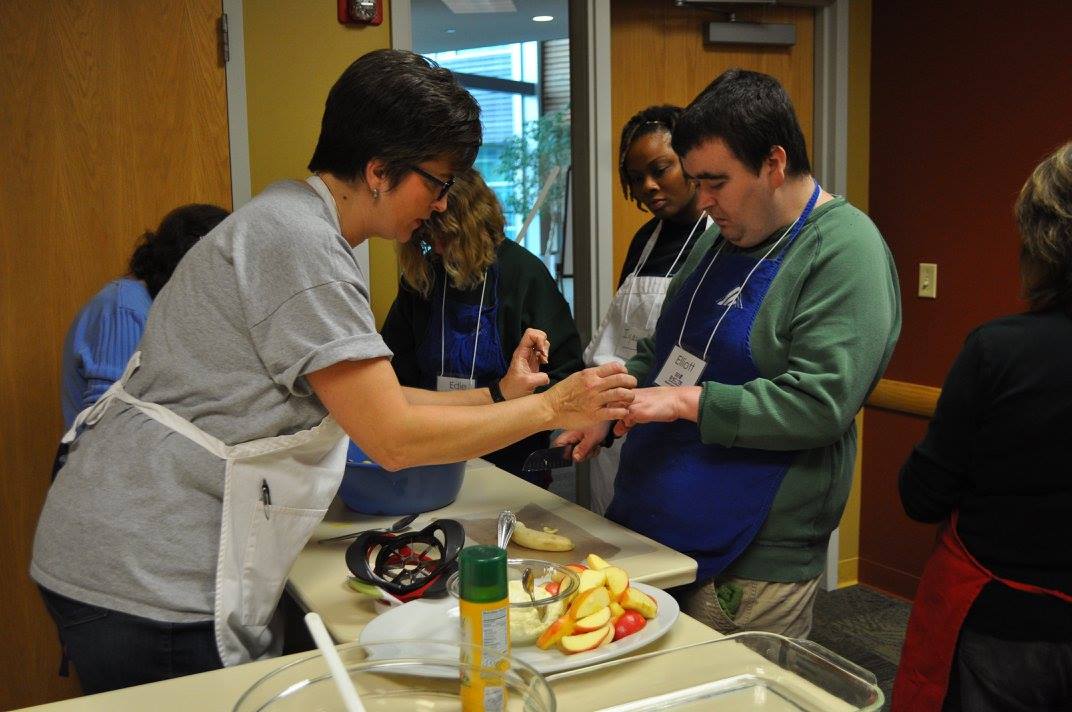
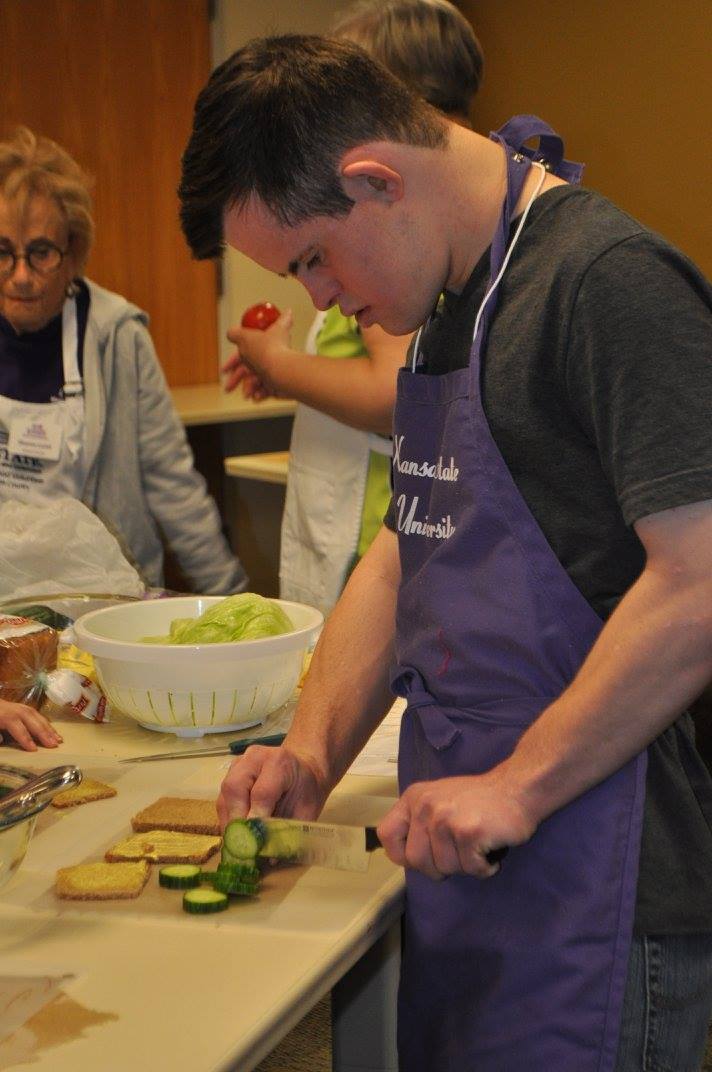
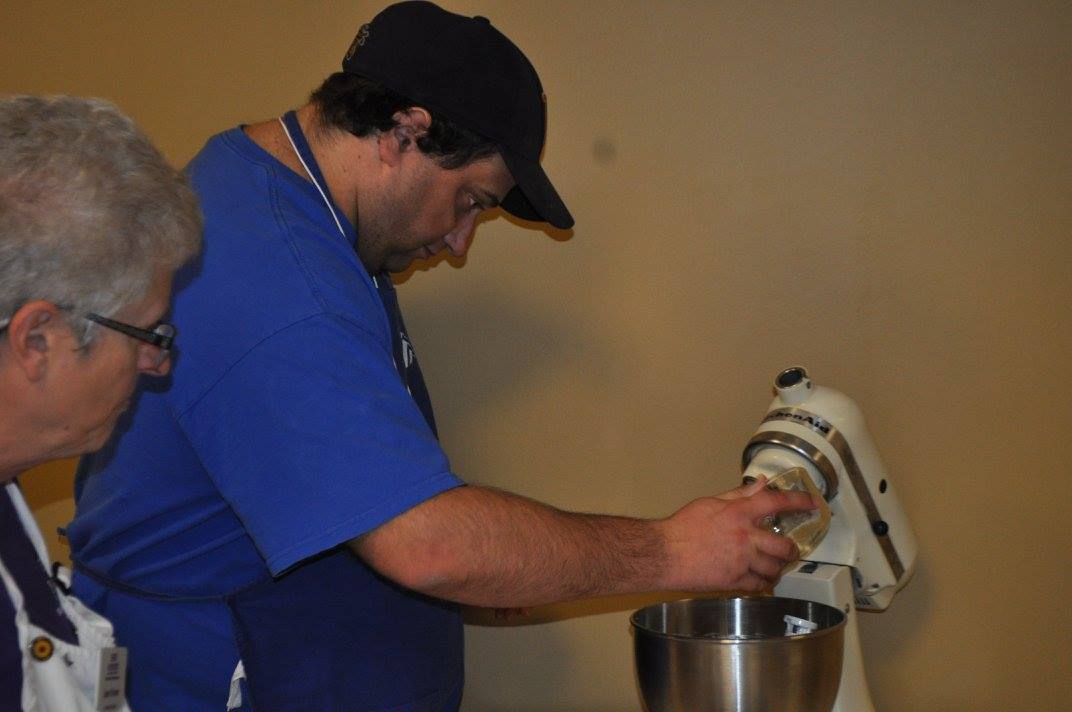
Available through the K-State Research and Extension Master Food Volunteer Program, Four-Course Living is a curriculum of primary classes focused on helping individuals with disabilities discover the importance of nutrition, safety, planning and prep. Students have the opportunity to exercise their ability to listen, follow directions, cooperate and use basic kitchen equipment as they cook and enjoy a meal with their peers.

Feeding Unmet Needs

The program was created in 2015 by Jean Porter, a retired special education transition specialist, and Sherry Carter, a retired Family and Consumer Science teacher. Both Jean and Sherry are K-State Research and Extension Master Food Volunteers.

At the heart of the program was the desire to create an environment where individuals with disabilities could develop kitchen and food-preparation skills, both of which are critical for individuals with disabilities who live in the community. Yet it can be difficult to find classes tailored to these individuals’ unique needs. Jean and Sherry approached Barb Helm, Executive Director of Arcare, about starting a program through K-State Research and Extension to fill the need for specialized classes in the community. They wrote and submitted a grant to the Arcare Charitable Fund, and the program was officially established.

The classes offered by Four Course Living highlight the importance of the program’s four pillars:

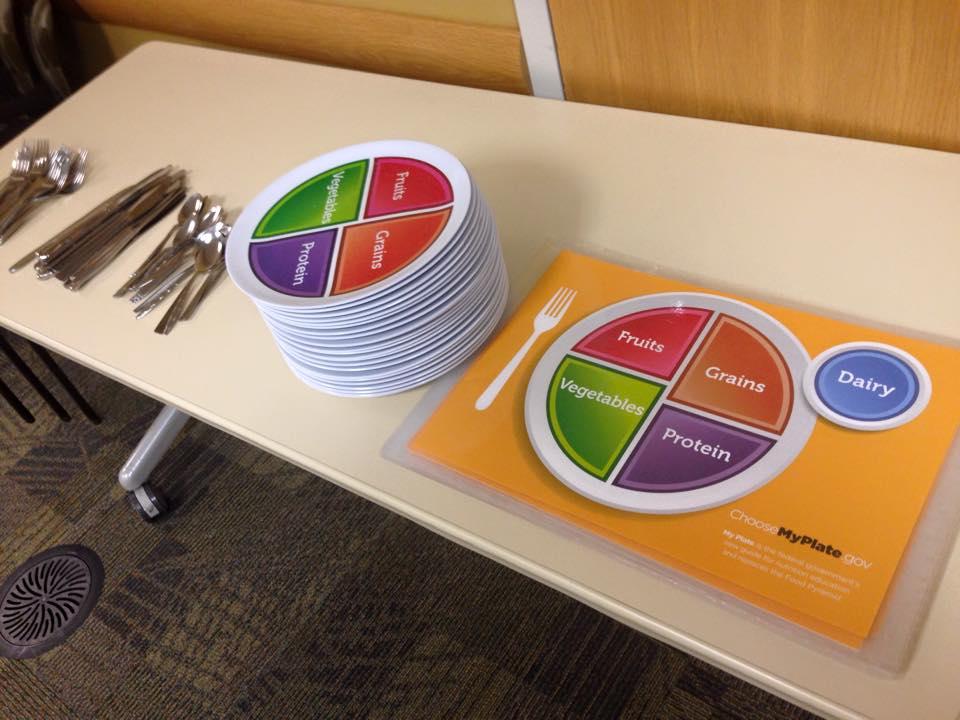
  • Nutrition. Instructors utilize the USDA’s food icon, MyPlate, as a visual reminder to help individuals make healthier food choices, learn about portion control and select foods from the appropriate food groups.
  • Safety. Classes dedicated to kitchen safety cover topics ranging from how to use appliances correctly to the importance of safe food handling. Because classes show rather than tell, students have the opportunity to practice the safety tips and demonstrate their skills among their peers.
  • Planning. One challenge individuals with disabilities often face in preparing meals is doing so on a fixed income. In the planning courses, instructors work with students to understand the importance of outlining their meals ahead of time, and they learn how various ingredients can be combined to make different balanced meals while staying on budget.
  • Prep. Using many skills learned in the other classes, individuals with disabilities have the opportunity to participate in a hands-on cooking class. Best of all, participants get to enjoy the food they make before class is over.

Customized Support

Volunteers are always exploring ways to tailor the classes to suit individual needs of the students. For example, volunteers recently created recipes tailored for a client who preferred to cook only in the microwave or toaster. Volunteers found items such as reusable and washable “toaster bags” that allow the student to cook crispy grilled cheese sandwiches safely in a toaster. Course instructors also educate participants on the availability of fresh produce at the store. Using precut items can be a safe option that also cuts down on the number of dishes used and prep time needed for a recipe.

When students attend their first class, they are given a binder to store their recipe cards. The cards are printed and put in page protectors so the students can add them to their binder after each class. The recipe cards have easy-to-follow instructions and visuals, and they can be tailored to the individual’s needs.

Classes are also offered specifically for day service and residential providers. The Master Food Volunteers encourage staff to participate in class with the individuals they serve. Volunteers find that when the staff member and individual with disability participate together, it fosters collaboration, strengthens communication and increases participation. In-depth instruction on cooking for an individual with diabetes or specific dietary requirements can be provided. The classes also cover appropriate ways for staff to clean surfaces and hands, wash produce and control portions. These classes can be offered at residential facilities so staff and residents can participate together, prepare a meal and enjoy together!

Class Availability

Courses are usually taught in person and limited to 15 students to allow for appropriate instruction and room to work together to prepare a meal. Because of Covid-19, the classes have been offered online over the past year, and one-on-one classes over Zoom are also available. However, volunteers and students are looking forward to being able to gather for in-person classes very soon.

Visit the Four Course Living site to learn more about the program, access recorded courses or register for a future class.

Top legislative priorities for 2021

Advocates and supporters of the community of individuals with disability were ready when the Kansas Legislature kicked off the 2021 session last week. Many groups, such as Interhab, SACK, and KanCare Advocates Network, spent the last few months of 2020 preparing their legislative platforms in hopes of making significant progress in the state legislature this year and moving forward initiatives and solutions to benefit individuals and families affected by disability. We’ve compiled a brief guide to some of the issues our community hopes to address in this year’s legislative session.

COVID-19

At the forefront of every Kansan’s mind is the COVID-19 pandemic. For individuals and families affected by disability, the pandemic brought unique challenges that advocates are pushing to remedy. Some of these include:

  • Requiring reporting of outbreaks in all long-term care facilities, group homes, or any home health care facility;
  • Creating the right to appeal an involuntary discharge or transfer from an adult residential care facility. HB 2004 was introduced Jan. 11 to the Kansas House of Representatives. This article from the Kansas Reflector shows first-hand how detrimental an involuntary discharge can be for residents, families, and local hospitals during the pandemic;
  • Telehealth and broadband network expansion; and
  • COVID-19 funding transparency.

KanCare Expansion and Reform

At this time, 36 states have expanded their Medicaid programs. Kansas has not. Alliance For a Healthy Kansas breaks down why expanding KanCare matters now more than ever to the nearly 150,000 Kansans that currently fall into a health coverage gap.

First, by law, the cost of expanding the state’s program will be covered 90% by the federal government. Research shows that it will stimulate economic growth, bringing more than 13,000 new jobs to the state. In addition, it will protect access to care in rural areas. Over 7,400 Kansas military veterans and their spouses would gain access to affordable coverage, and expansion will help control health insurance costs.

KanCare reform is needed, along with expansion. Advocates are pushing for more oversight and accountability for contractors servicing the program. Years of complaints of backlogs and other problems spurred the state to replace its previous private contractor, Maximus, with a new servicer. However, without specific reform measures in place, the state cannot guarantee that it will not face the same problems with the new private contractor, Conduent.

Other reform measures proposed include collecting and analyzing data on specialized service gaps. This would allow the state and community partners to correctly identify these service gaps and work to fill the needs of the community.

Budget

Perhaps one of the biggest hurdles the disability community faces is financial. In 2020, after years of requests and data comparison, the Kansas Legislature appropriated $22 million (a 5% increase) in funding for the stretched thin intellectual and disability disorder (I/DD) providers to be made available July 1, 2020. That funding was cut by Gov. Laura Kelly in June 2020, a week before it was to be distributed, as a response to the economic impact of the COVID-19 pandemic. During this legislative session, advocates, agencies, and the community will push to protect the current level of funding, and hope to receive reallocation of the 5% increase for the fiscal year beginning July 1, 2021.

In addition, there will be continued conversations regarding multi-year strategies to address the 4,000 adults and children on the waiting list for I/DD services in Kansas, as well as raising the protected income limit for Kansans receiving services.

Arcare is committed to advocating for our clients and their families at all levels of government. Check our blog for updates on these legislative priorities. Your generous donations allow us to continue our advocacy work.